


Tutorials on ASP.NET Core, Blazor, jQuery, JavaScript, Entity Framework, Identity, WordPress, SQL, HTML & more
ASP.NET Web Forms – Implementation of BlueImp jQuery File Upload GitHub Plugin
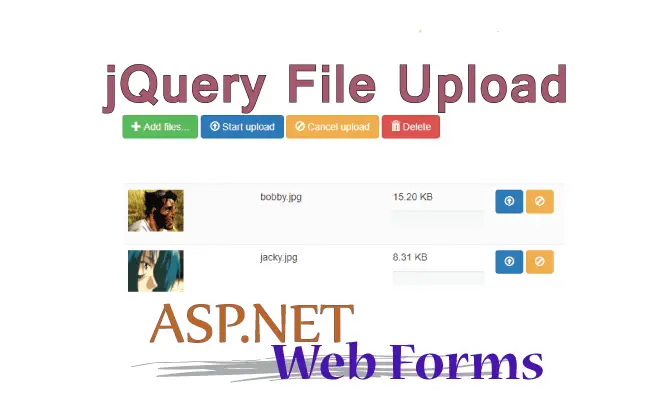
One of the most popular and feature-rich jQuery file upload plugins is jQuery File Upload by BlueImp. It provides a powerful and flexible solution for adding file-upload functionality to your web applications. You can download the plugin directly from its GitHub repository using this link.
(more…)Complete Overview of Amazon AWS Certified Solutions Architect – Professional Certification

IT is currently one of the most rapidly developing fields in the world and more people are aspiring to enter this industry as a result. This has made it a very competitive space and the employers always looking to hire the most experienced individuals. So, this means that if you want to find your place in IT, you will have to develop your expertise by gaining new knowledge and skills. There are a lot of ways to do that but one of the top methods is to obtain a certification. You can turn to a huge number of companies that provide the credentials for the IT specialists but one of the best has to Amazon AWS Certification Practice Test Questions.
(more…)How to Quickly Implement BlueImp jQuery File Upload GitHub Plugin in ASP.NET Core
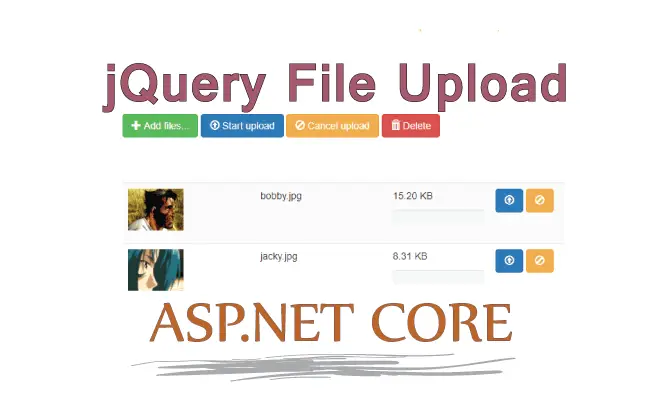
BlueImp jQuery File Upload Plugin is one of the top favorites of GitHub and can be downloaded from this link. In this tutorial I will implement BlueImp jQuery File Upload plugin in an ASP.NET Core Application. It will have the following features:
(more…)How to use jQuery to update records from inside the GridView with no Page Postback and without using Update Panel

There is no need to use the GridView’s OnRowEditing & OnRowUpdating events to update records. With jQuery, you can easily handle the entire update process directly from within the ASP.NET GridView without triggering a page postback. In this tutorial, I will show you how to use jQuery to update records directly inside the GridView, creating a faster and smoother user experience with No Page Postback.
(more…)Call Web API from JavaScript with XMLHttpRequest (XHR)
JavaScript is a powerful programming language that can be used to Call Web API directly from the browser. In this tutorial, I will show you how to call a Web API using JavaScript, specifically with the XMLHttpRequest (XHR) object. I have already created a Web API built with ASP.NET Core that follows the RESTful pattern and supports all the essential CRUD operations. The API provides flight reservation data to clients in JSON format and allows clients to search reservations by ID, update existing reservations, delete reservations, and perform other related operations. I will use JavaScript and the XHR object to communicate with this API.
This tutorial is a part of the ASP.NET Core API series which contains 5 tutorials to master this area:
- 1. How to Create Web APIs in ASP.NET Core [RESTful pattern]
- 2. How to Call Web API in ASP.NET Core [with Codes]
- 3. How to Call Web API from jQuery
- 4. Call Web API from JavaScript with XMLHttpRequest (XHR)
- 5. Create ASP.NET Core Minimal API from Start till Finish
How to perform Localization with Portable Object (PO) files in an ASP.NET Core
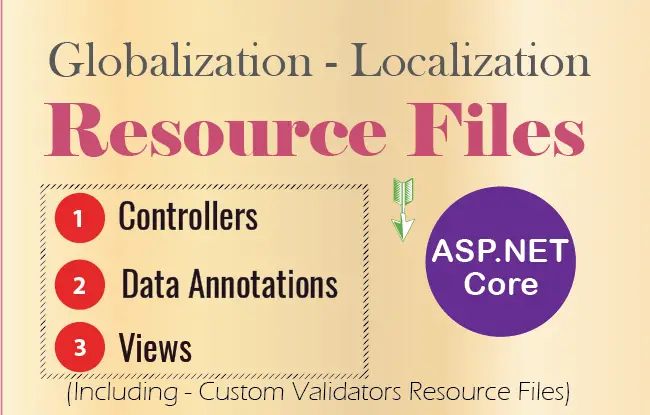
Portable Object files also known commonly as PO files are text based files containing the entry holding the relation between an original untranslated string and its corresponding translation. They are a substitute for resource files to perform localization of a website built in asp.net core.
(more…)Globalization and Localization with Resource Files in ASP.NET Core
Page Contents
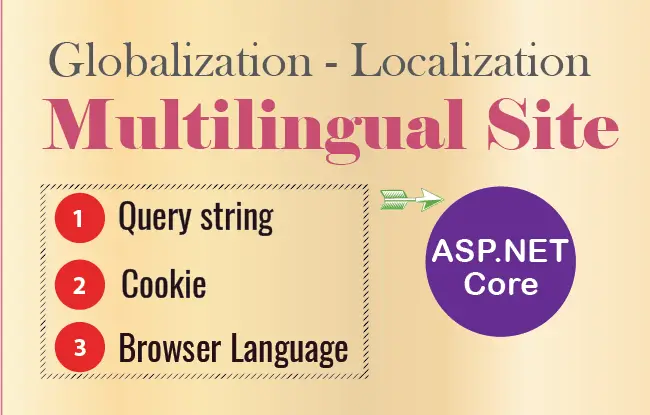
How to use Globalization and localization in ASP.NET Core
Page Contents
How to implement gRPC in ASP.NET Core
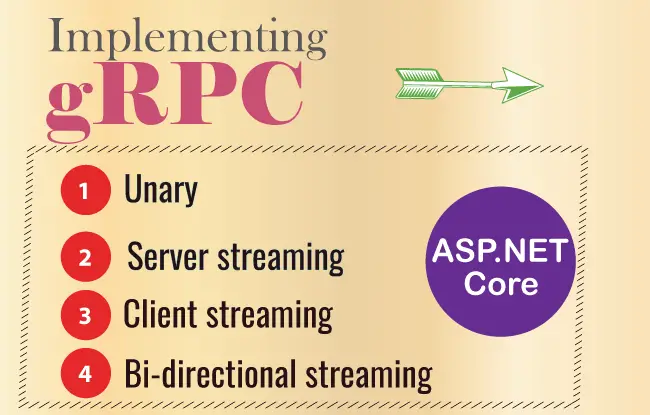
- Unary
- Server Streaming
- Client Streaming
- Bi-directional Streaming
Show GridView Data in Left to Right manner
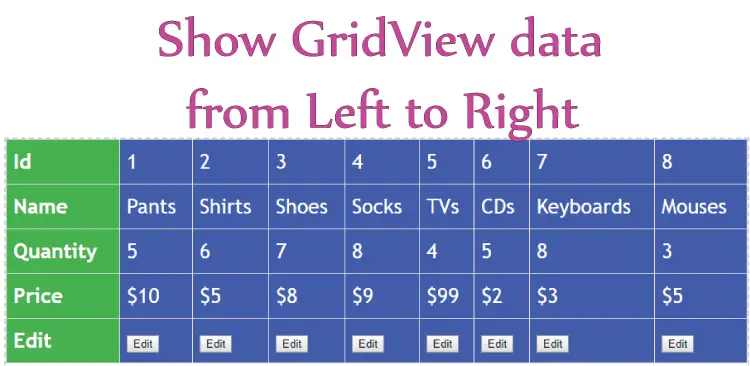
The GridView by default shows the data from ‘top to bottom’. If you want to show the data from left to right then you can use JavaScript to do this work. Here in this tutorial I will use JavaScript to swap the GridView’s Rows and Columns to bring 2 changes:
(more…)Please Consider Donating us
We are helping millions of Beginners and Professionals to learn new programming technologies.
Please consider donating us:




HELLO EVERYONE
 Welcome to YogiHosting - A Programming Tutorial Website. It is used by millions of people around the world to learn and explore about ASP.NET Core, Blazor, jQuery, JavaScript, Docker, Kubernetes and other topics.
SUBSCRIBE TO NEWSLETTER
Enter your email address to subscribe to this blog and receive notifications of new posts by email.
Join 90K other subscribers